

Since the outbreak of the Russian-Ukrainian war on February 24, global commodities have skyrocketed, ranging from energy to metals to agricultural products! Aluminium prices on the London Stock Exchange have risen 30% this year, while other metals such as zinc and nickel have also surged. Some institutions reported that on March 4, the spot copper price in the Yangtze River rose by 390 yuan/ton, while Guangdong rose by 350 yuan/ton. Car chips have been fired from 20 yuan to 2,800 yuan!
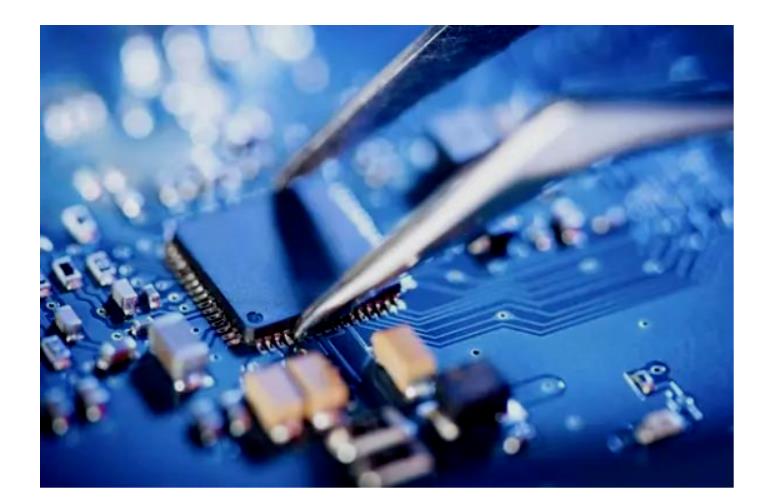
The price of silicon wafers, the raw material for driver ICs, also rebounded. Wafer prices are mainly caused by shortages. Silicon wafer manufacturing leader Sumco said the shortage of silicon wafers will continue beyond 2023 as demand climbs and layers of hoarding on the semiconductor chain continue. Recently, several major fabs have raised prices. For example, TSMC, which has a global market share of more than 50%, has raised prices for its entire line of products. Among them, the average price of 4-16nm advanced process wafers has increased by about 8-10% year-on-year. As for 28nm and above mature processes Wafer prices will increase by about 15% compared to the 2021 contract. On January 25, Wang Shi, general manager of UMC, said that the average selling price in US dollars in the first quarter of 2022 will increase by 5% quarter-on-quarter. In mid-February, Infineon issued a price increase letter to comprehensively adjust prices.
In addition, the global chip shortage has also exacerbated the imbalance between supply and demand in the wafer market. Compared with automobiles, mobile phones, 5G and other fields, the volume of driver IC wafers is not large, and the profits are not high. In order to make profits, many wafer manufacturers will not consider the field of driver ICs even if they expand production, which aggravates the LED industry to a certain extent. The tension of the display driver IC.
In order to alleviate the contradiction of wafer shortage, the global foundry companies are vigorously expanding production, but the production capacity is less than expected. Due to the epidemic situation and the approval of the construction site, TSMC`s production in its U.S. factory will be delayed; Samsung`s high-end process capacity expansion is limited due to low yield rates; SMIC is constrained by equipment delivery delays, and production capacity growth is less than expected. On the whole, the large-scale new wafer manufacturing plants in the world are subject to various reasons, the capacity growth is not as good as expected, and the cycle of global chip supply shortage will be prolonged.
The outbreak of the Russian-Ukrainian war, the domestic driver IC supply and demand is more unbalanced
Recently, the Russian-Ukrainian war broke out, and the contradiction between supply and demand of domestic driver ICs has become more serious.
At present, TSMC has announced that it will stop supplying Russia, and companies from Japan, the United States and other countries have also joined the ranks. How to deal with the driver chip gap? The Russian ambassador said it would be imported from China. Under normal circumstances, Russia's import of Chinese driver ICs is a good thing for domestic companies, but there are not many domestic driver ICs for self-supply, only about 10%, and they are heavily dependent on imports. If Russia imports Chinese driver ICs, the products of only a few domestic manufacturers may be in short supply, and price increases are inevitable.
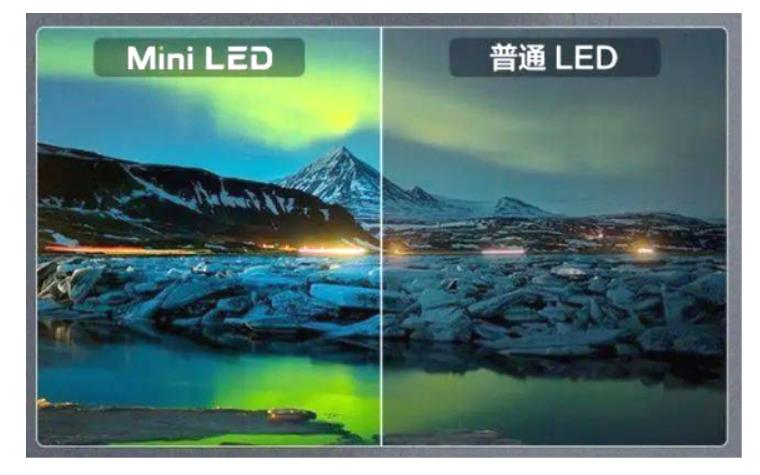
To sum up, it is very likely that the price of driver IC will increase this year. Companies need to prepare in advance. For long-term development, the industry must work together to resist this pressure.